Diaphragm pumps have become an essential tool in industries ranging from chemical processing to water treatment. Known for their versatility and reliability, these pumps are designed to handle a wide variety of liquids, including corrosive, viscous, and abrasive fluids. For engineers, procurement managers, and industrial operators, understanding how diaphragm pumps work and how to select the right model can significantly improve efficiency and reduce maintenance costs.
In this blog, we will explore the basics of diaphragm pumps, compare different types, discuss their advantages, and provide guidance on proper selection and maintenance.
How Diaphragm Pumps Work
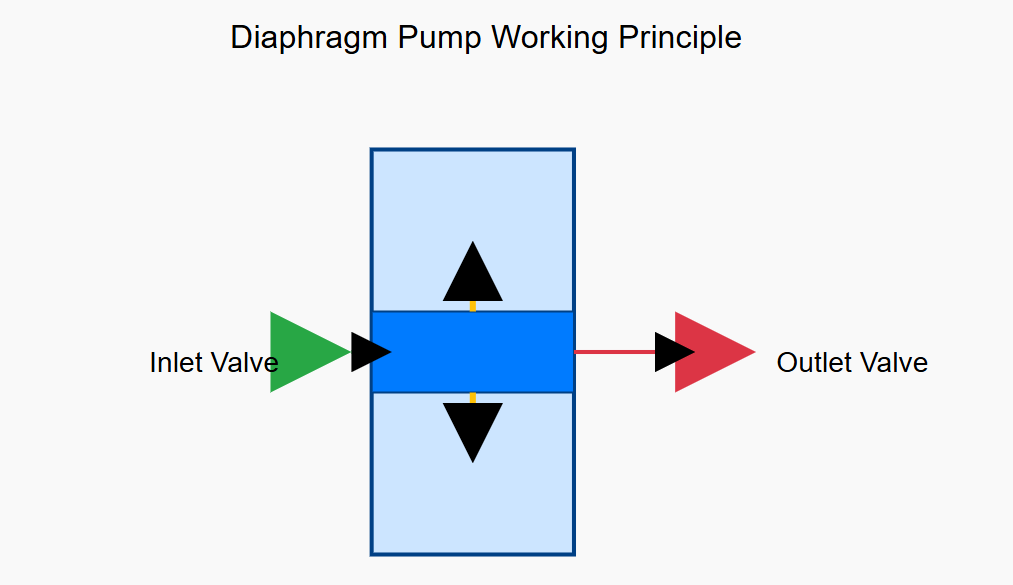
At the heart of a diaphragm pump is a flexible diaphragm that moves back and forth to create a pumping action. The diaphragm is typically made of materials such as PTFE, rubber, or Santoprene, chosen based on the fluid compatibility. As the diaphragm moves, it changes the volume of the pump chamber, drawing fluid in through a one-way inlet valve and expelling it through a one-way outlet valve.
Types of Diaphragm Pumps
Diaphragm pumps are broadly divided into Air-Operated Double Diaphragm (AODD), electric diaphragm, hydraulically actuated, mechanically actuated, single diaphragm, and double diaphragm pumps. As a chemical resistant diaphragm pump, each is suited to different pressure, fluid, and environment requirements. In this blog, we mainly talk about two types:
1. Air-Operated Diaphragm Pumps (AODD Pumps)
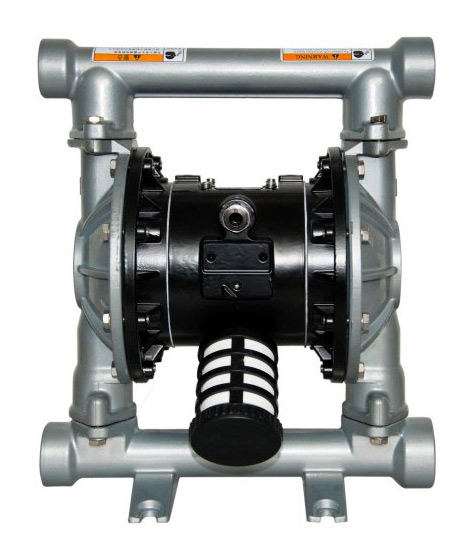
Air-operated diaphragm pumps use compressed air to move the diaphragms alternately, pushing fluid through the pump chamber. These pumps are highly flexible and can run dry without damage, making them suitable for chemical processing, wastewater treatment, and industrial cleaning. Many air operated diaphragm pump manufacturers worldwide provide a range of models tailored to different operational needs.
Pros:
Can handle abrasive and viscous fluids
Safe for explosive or flammable liquids (no electrical components)
Low maintenance and easy to repair
Cons:
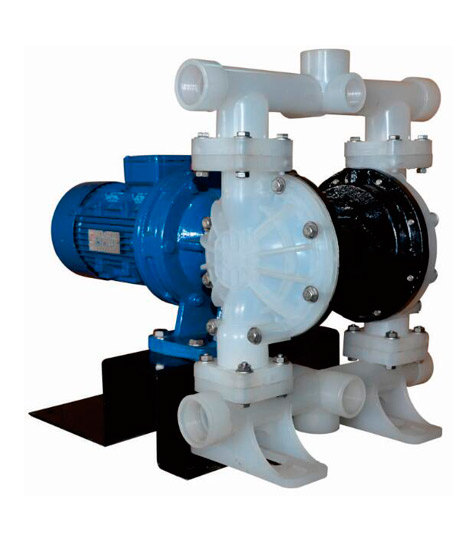
2. Electric Diaphragm Pumps
Electric diaphragm pumps use an electric motor to drive the diaphragm. These pumps provide smooth, continuous flow and precise control over the pumping rate, making them ideal for laboratory applications, dosing, and precise chemical delivery systems.
Pros:
Smooth, steady flow with minimal pulsation
Easy integration with automated systems
Energy-efficient for continuous operation
Cons:
Advantages of Diaphragm Pumps
Diaphragm pumps offer several key benefits compared to centrifugal or rotary pumps:
| Advantage | Description |
|---|
| Self-Priming | Can start pumping without needing fluid in the suction line |
| Dry-Run Safe | Air-operated models can operate without fluid without damage |
| Chemical Resistant | Diaphragm material selection allows handling corrosive chemicals |
| Viscosity Flexibility | Can handle thick, sludge-like, or abrasive fluids |
| Low Shear | Gentle pumping protects sensitive fluids such as emulsions or bio-materials |
This combination of features makes diaphragm pumps the go-to choice in industries such as pharmaceuticals, water treatment, coatings, and chemical manufacturing.
Applications Across Industries
Chemical Processing: Safely pumps acids, bases, and solvents without contamination or corrosion.
Water and Wastewater Treatment: Transfers sludge, slurry, and chemicals for pH adjustment.
Food & Beverage: Handles syrups, sauces, and other viscous liquids while maintaining hygiene standards.
Paints & Coatings: Transfers high-viscosity paints, pigments, and adhesives efficiently.
Pharmaceuticals & Labs: Enables precise dosing of chemicals and sensitive liquids.
Choosing the Right Diaphragm Pump
When selecting a diaphragm pump, consider the following:
Fluid Type: Is the liquid corrosive, abrasive, or viscous? Choose a diaphragm material that is chemically compatible.
Flow Rate: Determine the required flow rate to size the pump correctly.
Pressure Requirements: Check if the pump can achieve the necessary discharge pressure.
Power Source: Air-operated vs. electric—consider availability, safety, and operating costs.
Maintenance & Downtime: Evaluate ease of maintenance, availability of spare parts, and overall reliability.
Partnering with a trusted diaphragm pump manufacturer ensures your selection aligns with your operational needs and provides long-term support.
The Maintenance of Diaphragm Pumps
To maximize diaphragm pump life:
Regularly inspect diaphragms and valves for wear or cracks.
Keep suction and discharge lines free from blockages.
Monitor for unusual vibrations, pulsation, or leaks.
Use the correct air pressure for AODD pumps—too high or too low can cause premature wear.
Schedule preventive maintenance based on the manufacturer's recommendations.
Why Choose Allpumps Diaphragm Pumps?
Allpumps offers a comprehensive range of diaphragm pumps designed for industrial versatility:
High Chemical Compatibility: PTFE and rubber diaphragms resist harsh chemicals.
Durable Construction: Built to handle abrasive or viscous fluids reliably.
Global Support: Prompt technical guidance and spare parts availability.
Whether you need precise dosing with an electric diaphragm pump or robust fluid transfer with an air-operated diaphragm pump, Allpumps provides solutions that align with modern industrial needs.
FAQs
Q1: What is a diaphragm pump?
A diaphragm pump is a positive displacement pump that uses a flexible diaphragm to move liquids through a pumping chamber.
Q2: What is an example of a diaphragm pump?
Air-operated diaphragm pumps and electric diaphragm pumps are common examples used across chemical, water treatment, and industrial applications.
Q3: Is a centrifugal pump the same as a diaphragm pump?
No. Centrifugal pumps use impellers to move fluid, while diaphragm pumps use a reciprocating diaphragm and valves, making them suitable for viscous, abrasive, or corrosive fluids.
Q4: What is the main advantage of a diaphragm pump?
They can handle a wide range of fluids—including corrosive, viscous, and abrasive liquids—while being dry-run safe and self-priming.
Q5: How do I choose the right diaphragm pump?
Consider the fluid type, flow rate, pressure, power source, and maintenance requirements to select the pump that fits your application.
 EN
EN
 fr
fr  de
de  es
es  ru
ru  pt
pt  ar
ar  vi
vi  hi
hi  id
id  af
af